 (479) 426-3445
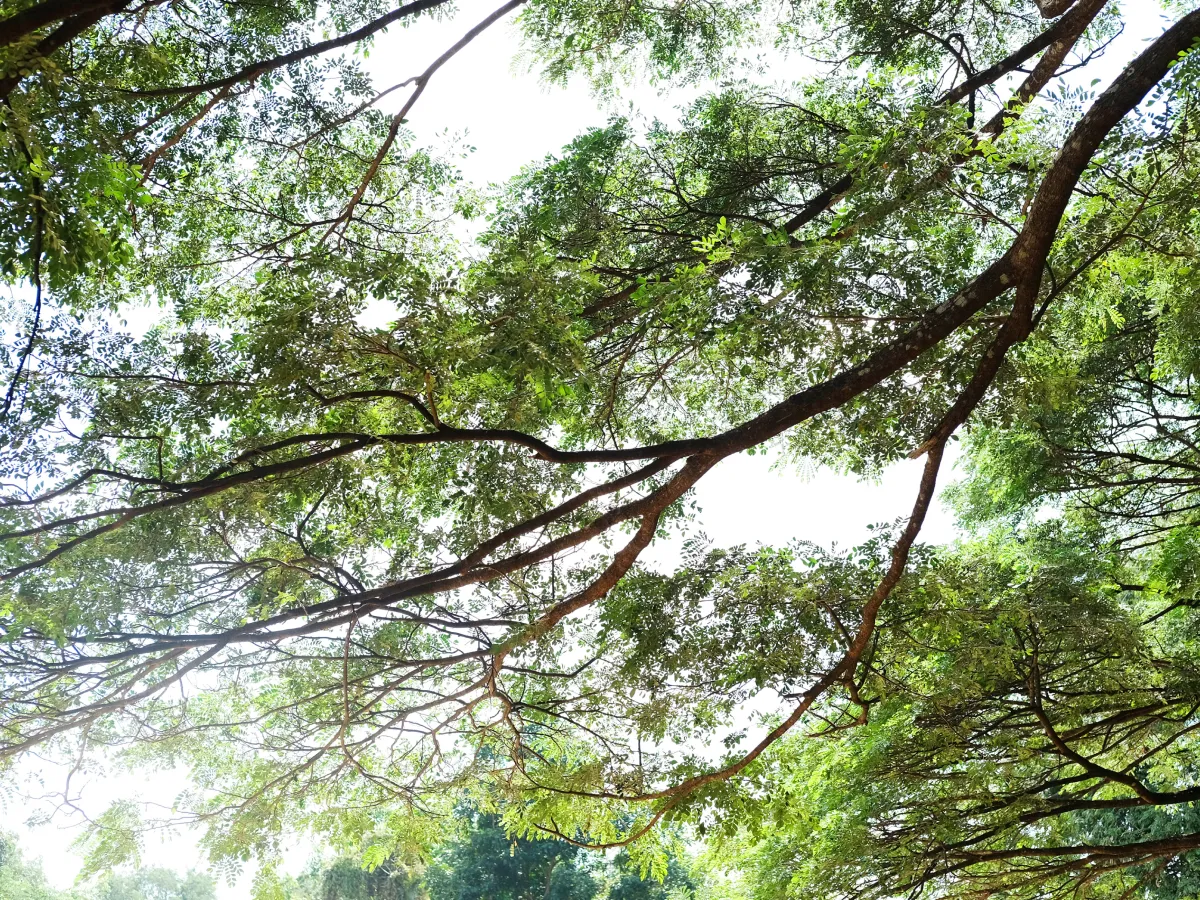
Professional Tree Trimming Services in Springdale, AR
Why Regular Tree Trimming Matters for Property Health
Maintaining the health and appearance of trees on your property requires more than occasional attention. Regular trimming keeps trees structurally sound, visually appealing, and safe for everyone who uses the outdoor space. Without consistent care, trees develop weak branches, become susceptible to disease, and may pose risks during severe weather.
In Springdale, Arkansas, property owners face unique challenges when managing tree health. The humid subtropical climate creates ideal conditions for rapid growth during spring and summer months, which means branches can quickly become overgrown and unbalanced. Heavy rainfall and occasional ice storms during winter months put additional stress on poorly maintained trees, increasing the likelihood of branch failure and property damage.
Proper trimming removes dead or diseased wood before it compromises the entire tree. Arborists identify problem areas early, preventing small issues from escalating into costly removals. Strategic cuts also improve air circulation through the canopy, reducing moisture buildup that encourages fungal infections and pest infestations. Trees that receive regular attention grow stronger root systems and develop more resilient structures capable of withstanding environmental stressors.
Beyond health benefits, well-maintained trees significantly enhance property value and curb appeal. Overgrown branches create a neglected appearance, while properly shaped trees frame homes beautifully and provide intentional shade where needed. Buyers consistently rate landscaping quality as a top consideration when evaluating properties, and mature, healthy trees rank among the most valuable landscape features.
MC Tree Service understands the specific requirements of Arkansas tree species and local growing conditions. Their certified arborists assess each tree’s unique needs, considering factors like age, species, location, and structural integrity. With years of experience serving Springdale and surrounding communities, they deliver reliable trimming solutions that protect your investment and maintain the natural beauty of your landscape.
Safety Benefits That Protect Your Home and Family
Safety concerns should motivate every property owner to prioritize regular tree care. Overgrown or weakened branches pose serious risks to structures, vehicles, utility lines, and people. A single falling limb during a storm can cause thousands of dollars in damage or result in serious injury. Proactive trimming eliminates these hazards before they become emergencies.
Dead branches, often called widow makers by arborists, represent one of the most dangerous conditions in residential landscapes. These limbs lose structural integrity over time and can fall without warning, even on calm days. Regular inspections identify deadwood early, allowing for safe removal under controlled conditions rather than during an emergency situation.
Branches growing too close to homes create multiple problems. They provide pathways for rodents and insects to access roofs and attics. Leaves and debris accumulate in gutters, causing water damage and creating fire hazards. During windy conditions, branches scrape against siding and roofing materials, causing gradual deterioration that leads to expensive repairs. Maintaining proper clearance between trees and structures prevents these issues entirely.
Power lines present another critical safety consideration. Trees growing into electrical infrastructure cause outages, create fire risks, and pose electrocution hazards. Utility companies often trim trees near their lines, but property owners remain responsible for vegetation on their side of the service connection. Professional arborists coordinate with local utilities to ensure all trimming near power lines meets safety standards and regulatory requirements.
Visibility and accessibility matter too. Overgrown trees block sightlines at driveways and intersections, increasing accident risks. Low-hanging branches obstruct walkways and patios, creating hazards for pedestrians. Strategic trimming maintains clear paths and unobstructed views, making outdoor spaces safer and more functional for daily activities.
Propertyowners throughout the Springdale area experience seasonal weather patterns that test tree stability. Spring thunderstorms bring high winds and heavy rain, while winter ice accumulation adds substantial weight to branches. Trees maintained through regular trimming develop stronger branch unions and balanced canopies that handle these stresses better than neglected specimens.
Promoting Vigorous Growth and Longevity
Trees function as living investments that increase in value over time when properly maintained. Strategic pruning directs growth energy toward developing strong branches and dense foliage rather than allowing resources to support weak or poorly positioned limbs. This focused growth produces healthier trees that live longer and require fewer interventions throughout their lifespan.
Understanding how trees respond to pruning helps explain why timing and technique matter so much. When arborists remove branches, they create wounds that trees must seal through compartmentalization. Proper cuts at the branch collar allow trees to close wounds efficiently, preventing decay from entering the main trunk. Poor cuts or wrong timing leave trees vulnerable to infection and pest invasion.
Young trees benefit tremendously from structural pruning during their formative years. Early intervention establishes strong branch architecture, eliminates competing leaders, and corrects growth problems before they become permanent. Trees that receive guidance during their first decade develop superior form and require less corrective work as they mature. This foundation determines whether a tree thrives for generations or struggles with structural weaknesses throughout its life.
Mature trees need different care than younger specimens. Maintenance pruning removes deadwood, reduces weight on extended limbs, and opens the canopy to improve light penetration and air movement. These adjustments keep older trees healthy and reduce the likelihood of major branch failures. Well-maintained mature trees provide maximum shade, habitat value, and aesthetic benefits for decades beyond their expected lifespan.
Fruit and flowering trees require specialized pruning approaches to maximize production and bloom quality. Removing specific branches encourages fruiting wood development and ensures adequate sunlight reaches developing buds. Timing pruning around dormancy periods prevents sap loss and protects trees during vulnerable growth phases. Property owners who want productive fruit trees or spectacular spring flowers need knowledgeable arborists who understand species-specific requirements.
Soil conditions and moisture availability in the Springdale region influence how trees respond to pruning. The clay-heavy soils common throughout Northwest Arkansas retain moisture during wet periods but can become compacted, limiting root development. Trees already stressed by soil conditions benefit from lighter pruning approaches that don’t overtax their recovery systems. Local arborists familiar with regional soil types adjust their techniques accordingly, ensuring trees receive appropriate care based on their growing environment.
Disease Prevention Through Strategic Pruning
Preventing disease starts with creating conditions that discourage pathogens and pests from establishing themselves. Dense, crowded canopies trap moisture and reduce airflow, creating ideal environments for fungal diseases and harmful insects. Thinning cuts that selectively remove interior branches improve circulation and allow sunlight to penetrate deeper into the canopy, reducing humidity levels where fungi thrive.
Many tree diseases spread through wounds and broken branches. Regular maintenance eliminates weak, damaged, or crossing branches before they break naturally and create entry points for infection. Clean, precise cuts made by professional arborists heal faster than ragged tears from storm damage, giving pathogens less opportunity to invade tree tissues.
Certain diseases require immediate removal of infected branches to prevent spread throughout the tree or to neighboring specimens. Fire blight in fruit trees, oak wilt in oak species, and various canker diseases demand quick action and proper disposal of diseased material. Arborists trained in disease identification recognize early symptoms and implement appropriate responses before conditions become irreversible.
Sterilization protocols between cuts prevent arborists from inadvertently spreading diseases from infected trees to healthy ones. Professional services follow industry standards for equipment cleaning, especially when working with known pathogens. This attention to detail protects entire landscapes from contamination that could compromise multiple trees.
Insect infestations often correlate with tree stress and poor maintenance. Boring insects target weak or dying branches, using them as breeding sites that eventually spread to healthy wood. Removing stressed branches eliminates these attractive targets, forcing pests to seek hosts elsewhere. Combined with proper fertilization and watering practices, strategic pruning strengthens trees’ natural defenses against insect damage.
The warm, humid summers typical of Springdale create favorable conditions for various tree diseases. Anthracnose, powdery mildew, and root rot all thrive when moisture levels remain high. Property owners notice these conditions particularly during July and August when temperatures peak and afternoon thunderstorms provide frequent rainfall. Trees maintained through regular pruning handle these environmental challenges better than neglected specimens, showing fewer disease symptoms even during peak infection periods.
Maximizing Aesthetic Appeal and Landscape Value
Beautiful landscapes begin with well-maintained trees that complement architectural features and enhance outdoor living spaces. Proper trimming transforms overgrown, shapeless trees into attractive focal points that define property character. The difference between maintained and neglected trees becomes immediately apparent to visitors, neighbors, and potential buyers.
Shaping techniques create desired forms while respecting each tree’s natural growth habits. Arborists avoid artificial shapes that stress trees or require constant maintenance. Instead, they work with inherent growth patterns, making subtle adjustments that enhance natural beauty while maintaining tree health. This approach produces results that look intentional yet organic, fitting seamlessly into the surrounding landscape.
Seasonal considerations influence how trees contribute to landscape aesthetics. Spring flowering trees need pruning immediately after blooms fade to ensure abundant flowers the following year. Fall color displays depend partly on tree health throughout the growing season. Winter reveals tree structure, making it an ideal time for evaluating branch architecture and planning necessary corrections. Understanding these cycles allows property owners to schedule maintenance for optimal visual impact.
Views and sightlines matter when designing functional outdoor spaces. Strategic trimming creates windows through tree canopies, framing desirable views while screening unwanted sights. Raising lower branches opens space beneath trees for seating areas, pathways, or plantings. These adjustments make landscapes more usable and enjoyable without sacrificing shade or privacy.
Lighting design depends heavily on tree placement and canopy density. Well-trimmed trees allow landscape lighting to highlight architectural features and create inviting nighttime ambiance. Uplighting becomes more effective when lower branches are appropriately raised, and thinning allows light to filter through canopies for dramatic effects. Property owners investing in outdoor lighting maximize their returns when trees receive coordinated maintenance.
Real estate professionals consistently identify mature, healthy trees as premium landscape features that justify higher property valuations. Studies show that quality landscaping, particularly established trees, can increase property values by 10 to 20 percent. Buyers pay attention to landscape maintenance levels, viewing well-kept trees as indicators of overall property care and management.
The rolling topography and established neighborhoods throughout Springdale feature many properties with mature tree canopies that define community character. Homes along tree-lined streets command premium prices compared to properties without significant vegetation. Maintaining these valuable assets through regular professional care protects homeowner investments and preserves neighborhood appeal for future generations.